

Designing A Living Room In Your New Home
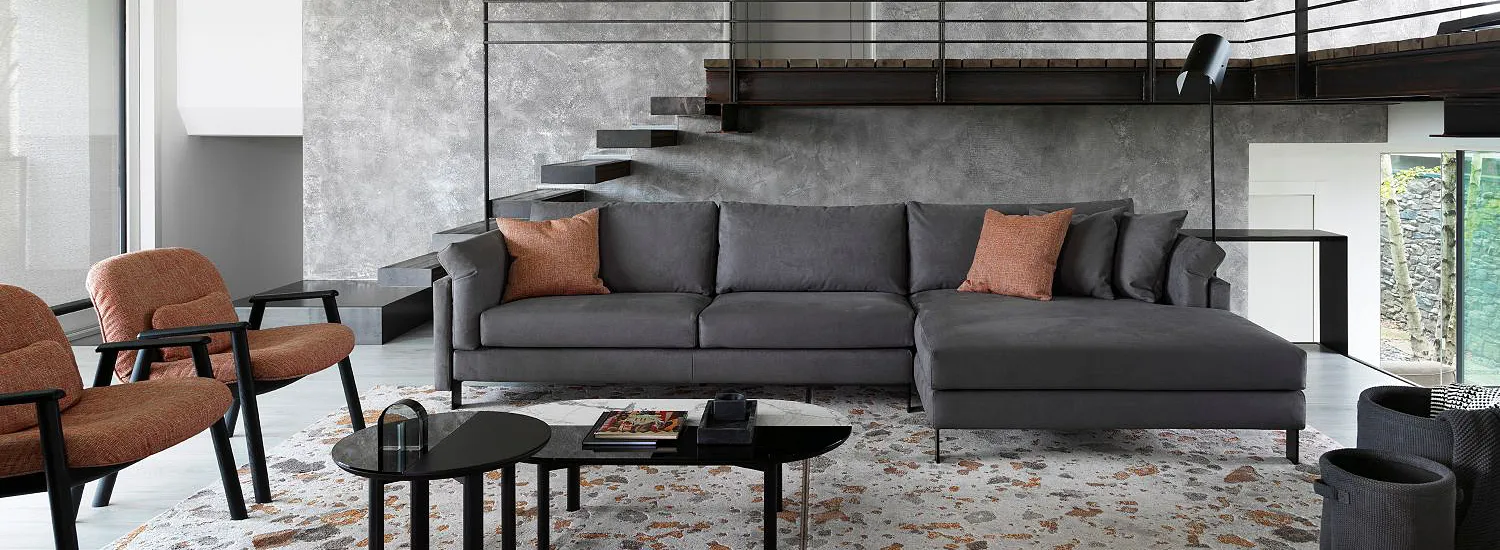
Designing a living room in a new home is a defining moment. It's the place where comfort meets expression—a space to relax, host, and reflect your personal style. Whether you're furnishing an open-plan apartment or a classic lounge, this guide will help you make thoughtful choices that balance form and function.
Understand Your Space
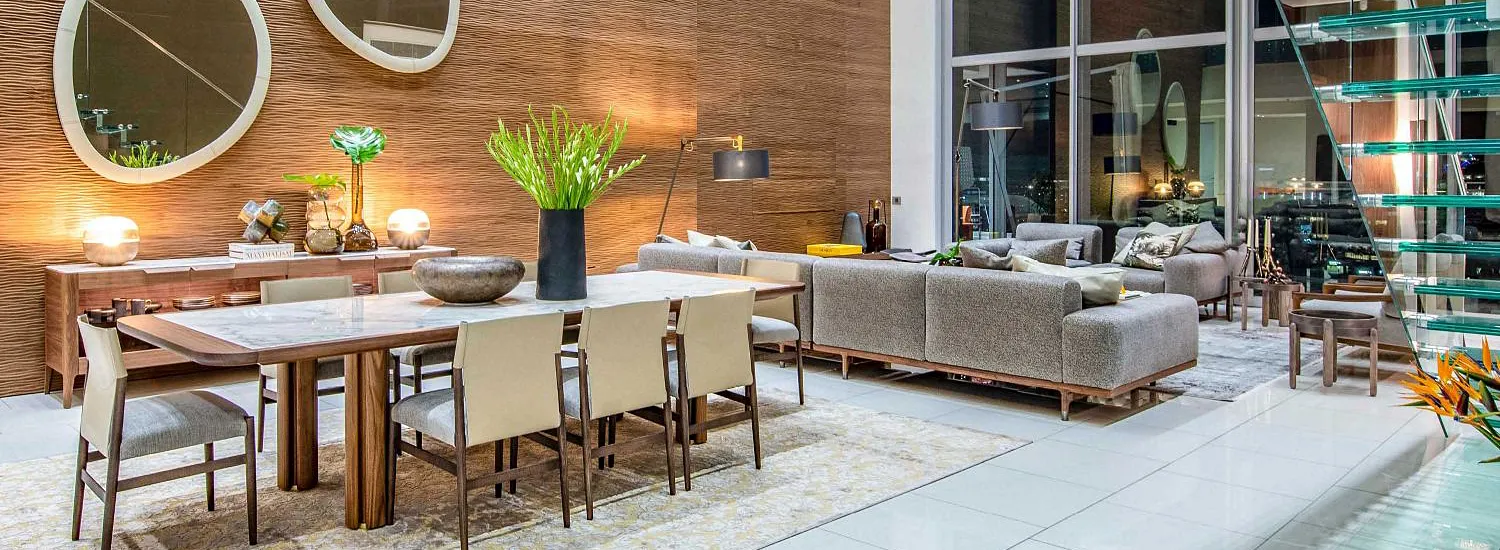
Start by evaluating the dimensions and architectural features of your room. Note any focal points such as windows, fireplaces, or media walls. These elements influence how you arrange furniture and where to draw attention. Consider lighting throughout the day and the primary purpose of the room—be it entertaining guests, watching films, or a multifunctional family zone. Enlisting the help of interior design services can be valuable when planning bespoke furniture layouts that optimise your home furniture investment.
Choose the Right Layout
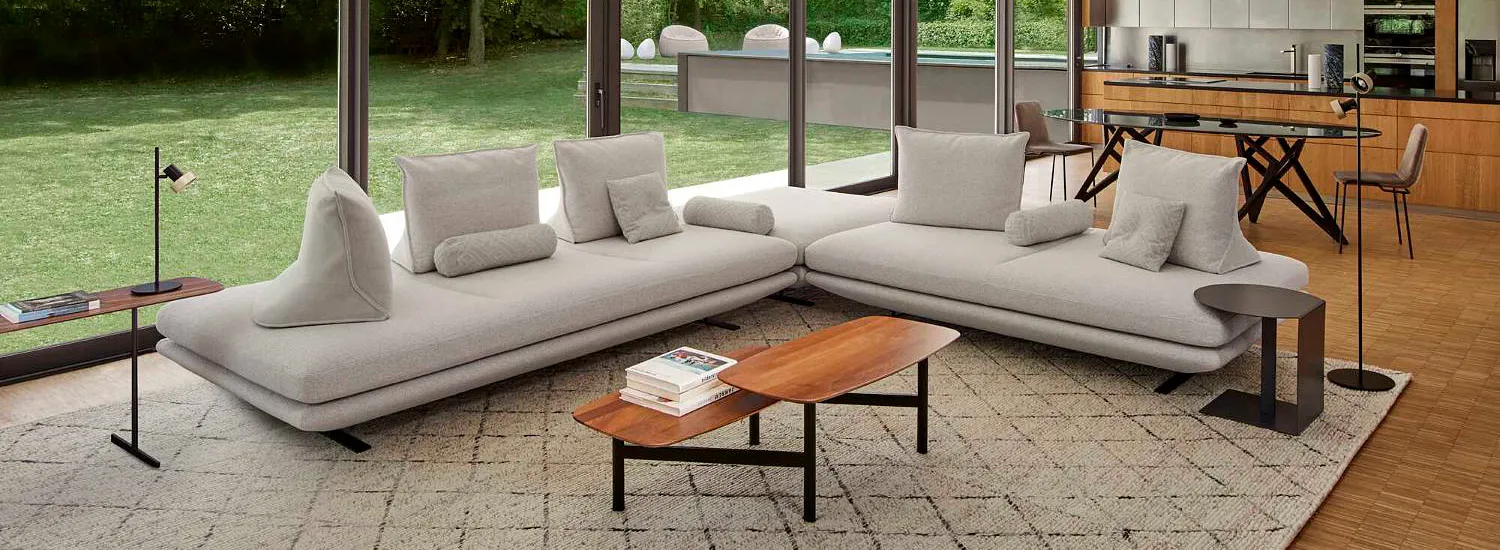
The layout should encourage both flow and comfort. In open-plan living areas, zoning is essential—use rugs or furniture placement to define the space. In smaller or enclosed rooms, consider symmetry and balance. Modular sofas and sectional sofas are excellent options for creating distinct zones while enhancing your contemporary furniture arrangement. Make sure your home furniture layout allows for walkways and functionality.
Select Your Key Furniture Pieces
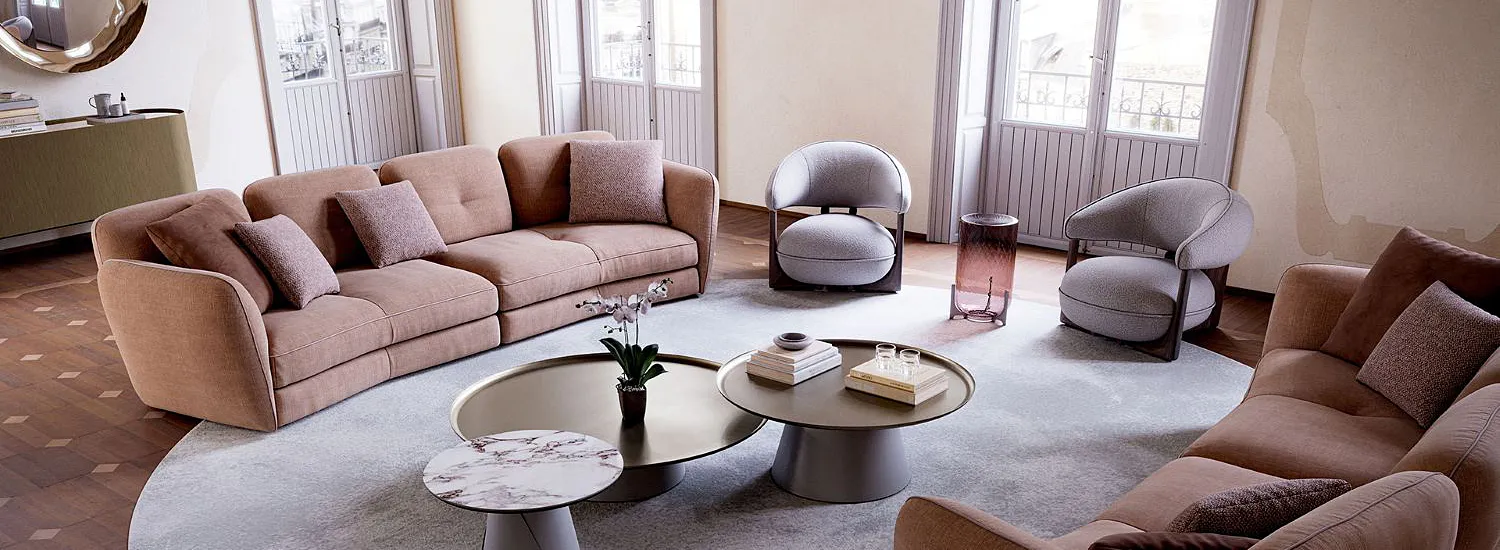
Your furniture choices form the foundation of the living room. Each piece plays a role in shaping both the comfort and visual identity of the space. From your primary seating to supporting accents, this section will help you consider what to choose and how it all fits together.
Sofas & Armchairs
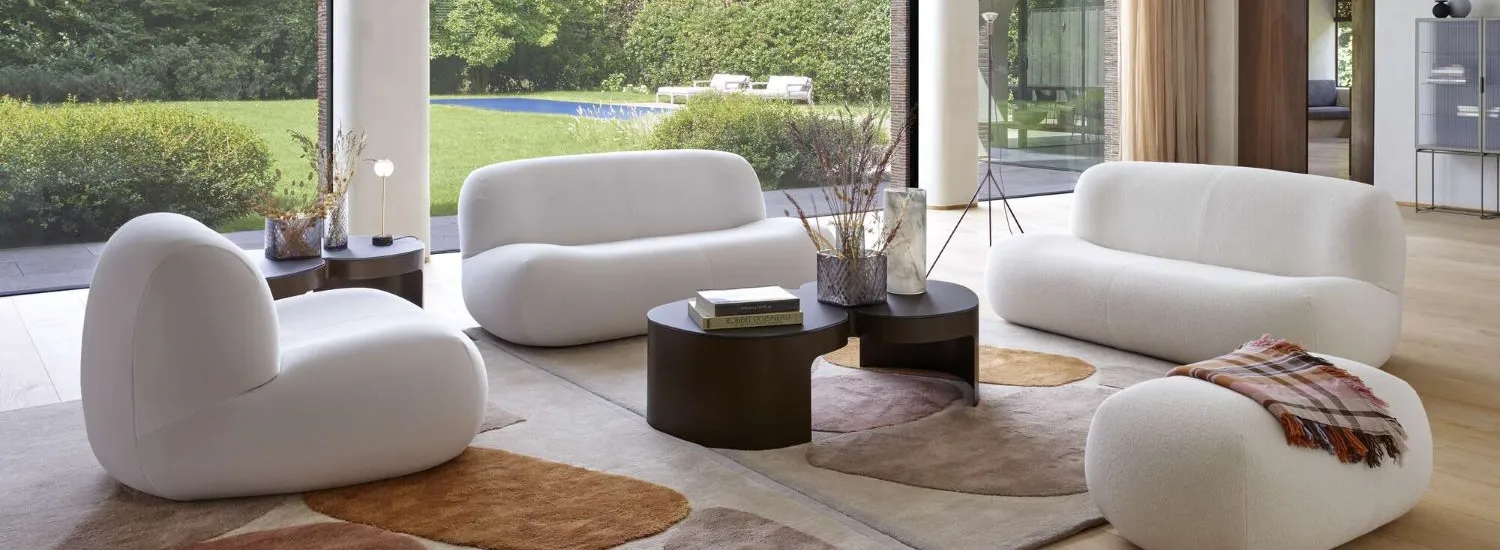
Sofas are the centrepiece of most living rooms and should reflect how you live. A two- or three-seater sofa may be perfect for compact spaces, while larger rooms benefit from L-shaped or modular sofas that provide generous seating and help define distinct zones. Look for designs with removable covers or performance fabrics for easier maintenance—especially if you have children or pets.
Complement your sofa with one or two armchairs to enhance balance and flexibility. Armchairs not only provide extra seating but also offer opportunities to introduce variety in texture, shape, or colour. Use them to create reading corners, soften a rigid layout, or frame features like a fireplace.
Whether you choose a matching or contrasting design, well-placed sofas and armchairs can complete the room’s composition and add personality.
Coffee Tables
Beyond their practical purpose, coffee tables play an important design role. Choose one that allows enough space to move around—ideally 18 inches from surrounding furniture. Materials like glass, wood, or metal can set the tone, while storage-integrated versions add hidden functionality.
Materials & Configuration
Match your furniture choices to your lifestyle. Stain-resistant or wipeable fabrics are practical for young families, while velvet or linen adds tactile sophistication in adult-oriented spaces. Modular furniture offers adaptability, and bespoke or customisable designs allow for a tailored look that fits your space perfectly.
Style Considerations
When choosing furniture, stay consistent with your interior theme. If you’re designing with a contemporary aesthetic, opt for clean lines, exposed legs, and neutral or monochrome tones. For a cosier, layered look, consider plush fabrics and warm hues. Designer sofas and luxury furniture details like contrast piping or tufted backs can elevate the entire room.
Supporting Pieces
Supporting pieces like side tables, poufs, and benches add convenience and style. Use them for layering textures, enhancing flexibility, or filling out awkward corners. These items can also support lighting, hold décor, or double as impromptu seating during gatherings.
Your furniture choices form the foundation of the living room. Each piece plays a role in shaping both the comfort and visual identity of the space. From your primary seating to supporting accents, this section will help you consider what to choose and how it all fits together.
Layer in Lighting
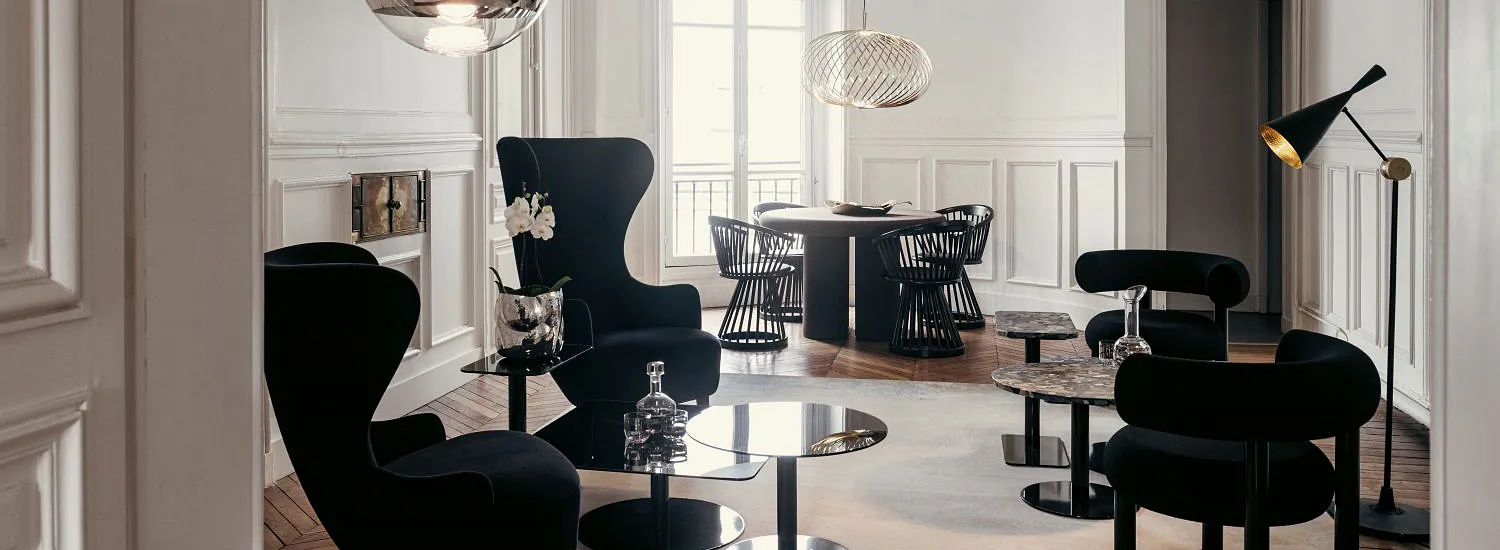
Lighting has the power to transform the feel and functionality of your living room at any time of day. A well-balanced lighting plan includes multiple light sources that work together to support different moods, tasks, and occasions. Here's how to layer lighting effectively:
Ambient Lighting
Ambient lighting provides the foundational illumination in the room, creating overall brightness and comfort. Ceiling fixtures such as flush mounts, recessed lights, or pendant lighting help establish the general tone. Choose dimmable bulbs or smart lighting systems so you can control intensity based on time of day or activity. Warm white tones are typically best for living areas, offering a relaxing atmosphere.
Task Lighting
Task lighting is focused illumination for specific activities like reading, writing, or working on a laptop. Floor lamps placed beside a sofa or armchair, or table lamps positioned on a console or side table, can offer practical and stylish solutions. Opt for adjustable heads or directional lighting to avoid shadows and eye strain. Stylish lamps also serve as decorative elements within the room.
Accent Lighting
Accent lighting draws attention to architectural features or focal points such as artwork, shelving, or statement furniture. Wall sconces, LED strips, and picture lights add drama and depth to your room. You might also consider a chandelier or bold pendant light to serve both as an accent and a centrepiece, especially above a coffee table or in rooms with high ceilings.
When layered thoughtfully, these lighting types bring character, warmth, and dynamic functionality to your living room—enhancing both everyday comfort and evening ambience.
Add Personality with Colour and Textures
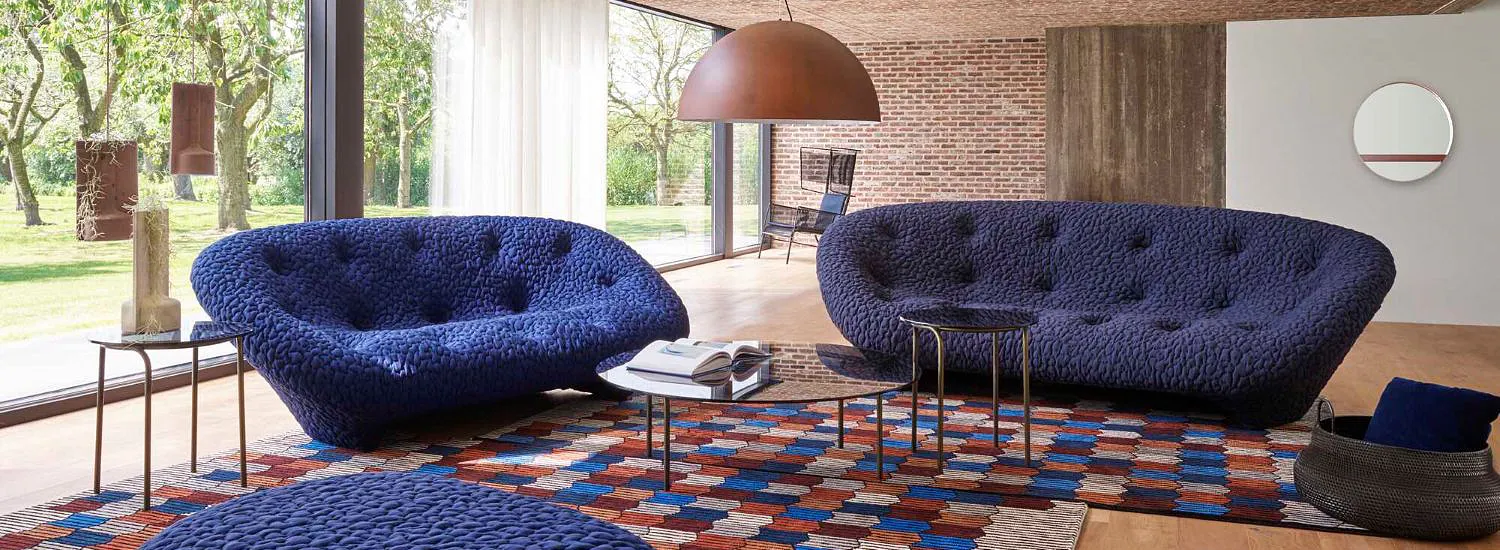
Colour and texture are what bring your living room to life, transforming it from a functional space into one with warmth and depth. Start by choosing a palette that reflects both your personality and the quality of natural light in your space. Soft neutrals—like beige, taupe, and pale grey—create a calming, minimalist feel, while richer hues like navy, terracotta, or forest green add mood and visual richness.
Layer texture through fabrics and finishes. Combine plush textiles like velvet cushions, chunky knit throws, and soft wool rugs with contrasting surfaces such as glass, matte metals, or natural wood. This contrast adds dimension and tactile interest. Curtains, upholstery, and even painted walls or panelling can play a major role in enhancing the visual texture of the room. Integrate home decor design interior accents and contemporary furniture modern styles to ensure your design feels intentional and cohesive.
Include Storage That Blends Style and Practicality
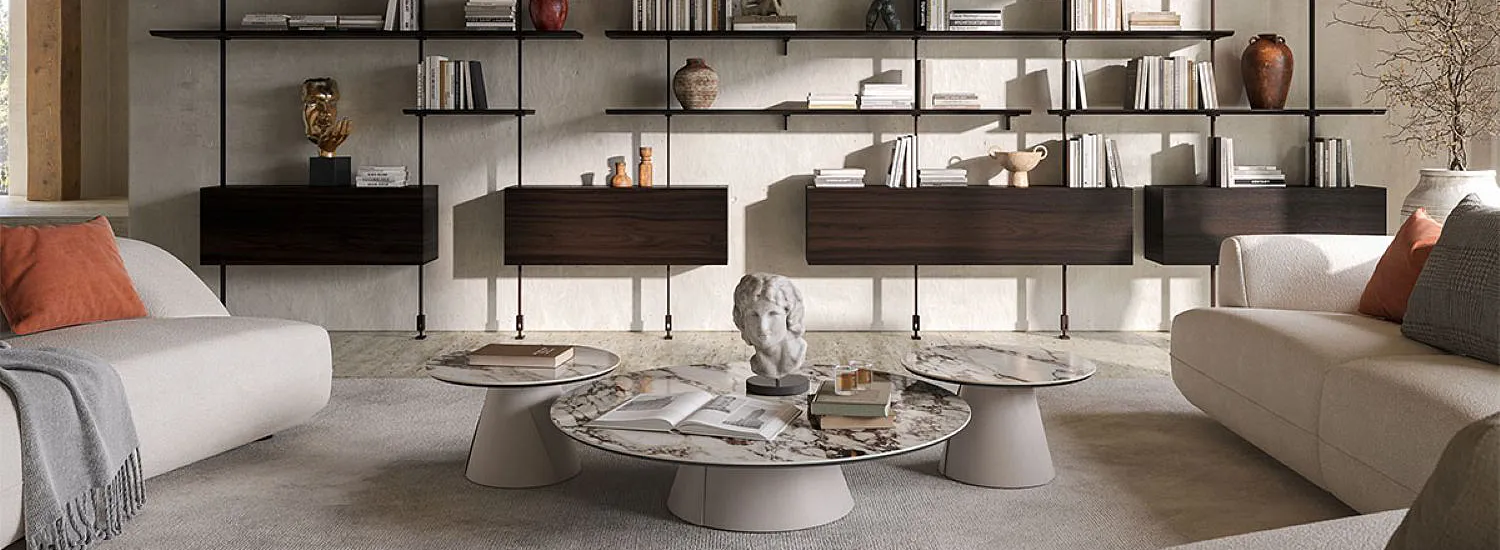
Stylish storage is essential in a living room—it keeps clutter out of sight and helps maintain a calm, ordered space. Start with a contemporary TV unit that features cable management, drawers, or sliding doors to store remotes, consoles, and accessories. Choose one that suits your layout and blends seamlessly with your furniture style.
Sideboards and low cabinets offer additional enclosed storage without overpowering the space, especially when paired with artwork or a statement lamp on top. For smaller rooms, vertical solutions like bookcases or floating shelves make use of wall space while offering room to display books, plants, and decorative objects. Consider furniture with hidden storage features too—like ottomans, coffee tables with lift-up lids, or benches with internal compartments.
Finishing Touches and Accessories
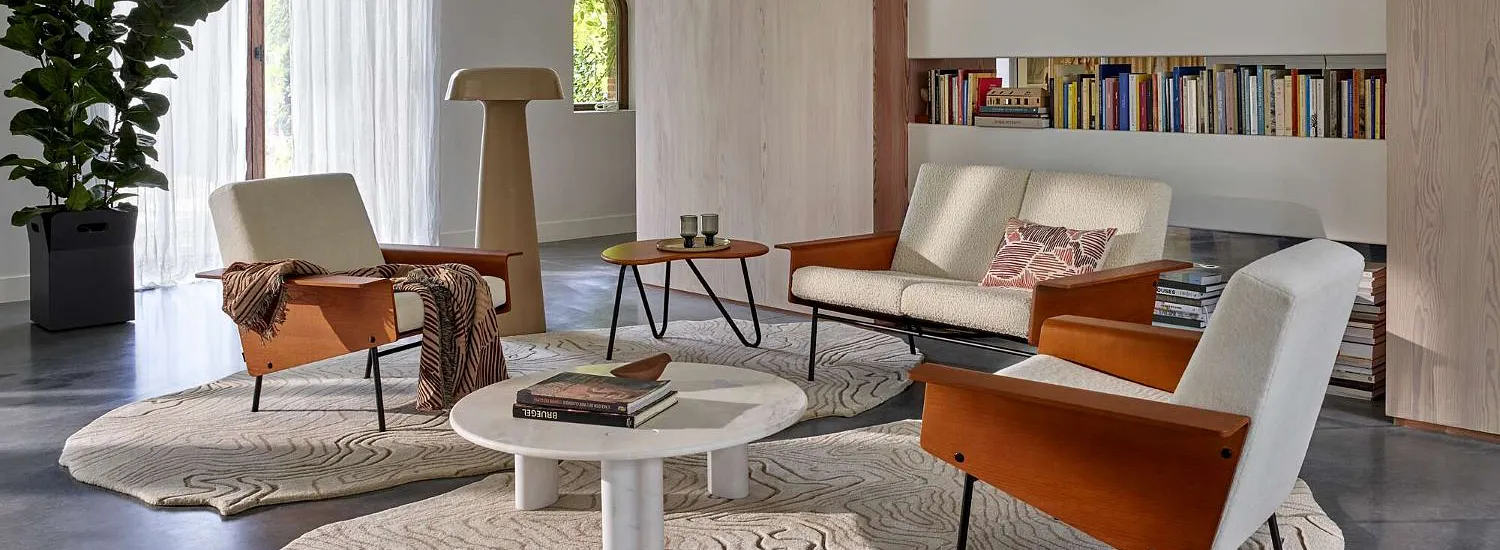
The finishing touches are what give your living room its personality. Thoughtfully chosen accessories tie together colours, shapes, and materials from around the room, and allow your taste to shine through. Mirrors can reflect light and visually expand the space—try placing one across from a window to maximise natural light.
Layer in décor items like vases, ceramics, books, and framed prints. Greenery—whether fresh or faux—brings softness and a sense of life to the room. Use different heights and groupings to add interest. Don’t forget comfort: occasional seating, cosy throws, and well-placed cushions offer function as well as flair.
The key is to edit your accessories with care—enough to feel lived-in, but not so many that the space feels cluttered. Every element should feel like it belongs, contributing to a complete and polished whole.
Common Mistakes to Avoid
-
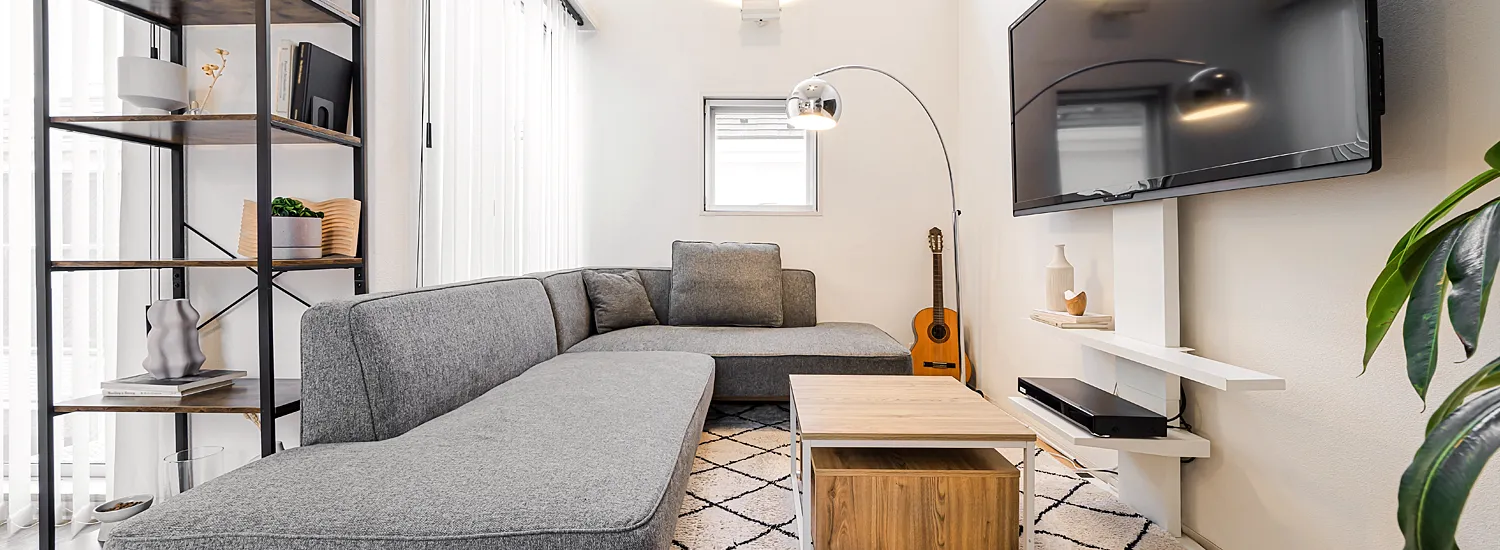
Choosing furniture that's too large or too small for the room: Scale is everything. Oversized furniture can dominate a room and make it feel cramped, while pieces that are too small may seem lost and fail to anchor the space.
-
Overcrowding with unnecessary pieces: While it’s tempting to include every stylish find, too much furniture creates visual noise and restricts movement. Prioritise essential, multifunctional items and leave space to breathe.
-
Neglecting lighting or under-layering light sources: A single ceiling light won’t do your space justice. Relying on one source leads to flat, uninviting lighting. Layer ambient, task, and accent lighting for balance, comfort, and depth.
-
Mixing styles without cohesion in tone, shape, or colour: Eclectic can be beautiful, but only when unified by a clear design thread. Keep a consistent palette, repeat finishes, or echo shapes across furniture and accessories to tie the room together.
Design your Dream Living Room with Scossa
Designing a living room is about balancing practical needs with a space that feels uniquely yours. Take the time to reflect on how you want to use the room—whether it’s for relaxing, entertaining, or multifunctional family life—and let those goals guide your choices.
Remember, your layout, lighting, colour palette, and finishing touches all play a part in creating a space that’s both beautiful and functional. If you're looking for advice or a helping hand, our in-house design team is here to help. Visit our showroom to explore thoughtfully curated pieces, or get in touch to discuss how we can support your vision with tailored guidance and product recommendations.
User Name 2 Days ago
Lorem ipsum dolor sit amet, consectetuer adipiscing elit. Aenean commodo ligula eget dolor.